



Közcélú monitorozás
Az erdőrezervátumok alapfelmérése és egységes monitorozása közcélú feladat, amelyet a természetvédelem, a nemzeti park igazgatóságok és az Agrárminisztérium támogat. A programot 1997 óta az Ökológiai és Botanikai Intézet koordinálja. A Soproni Egyetem, az ELTE, a MATE, a PTE és további egyetemeink, számos szak- és diplomadolgozat, valamint doktori munka irányításán keresztül vesz részt az együttműködésbe.
A 63 erdőrezervátumból 26 egységes alapfelmérése elkészült, 5 felmérése jelenleg is folyamatban van.
A program fő célja
- az erdők természetes életének, változatos szerkezetének, hosszú távú folyamatainak, és gazdag élővilágának megismerése
- a Magyarország tájait és jellemző erdőtársulásait képviselő erdőállományok - európai rendszerbe illeszkedő - országos hálózatának kialakítása és megőrzése
- az ismeretek bemutatása és közvetítése a természetvédelem, az erdőgazdálkodás és a természeti értékeink iránt fogékony társadalmi csoportok felé
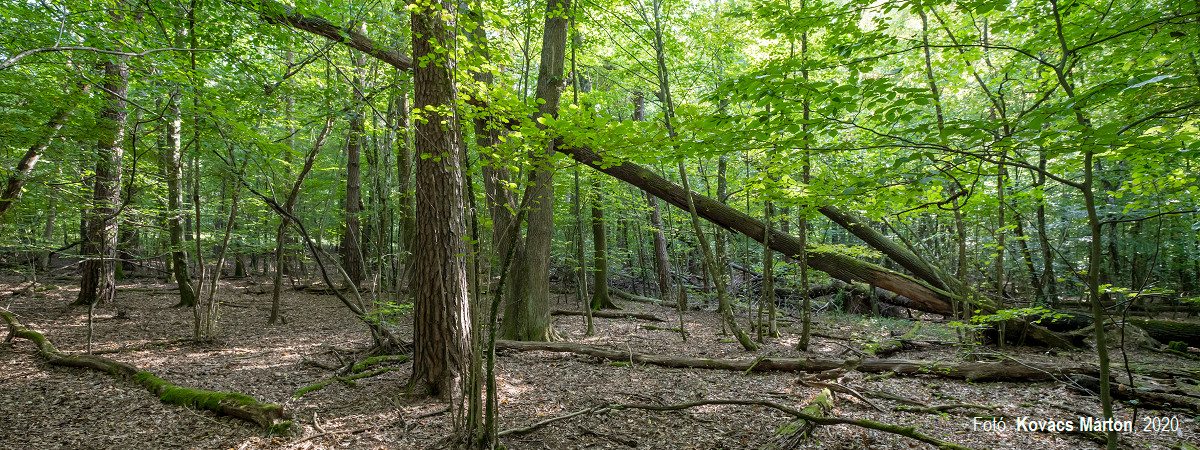
Így a program hosszú távú gyakorlati haszna lehet, hogy a természetvédelmi célú erdőkezelés és a természetközeli erdőgazdálkodás a mai gyakorlatnál jobban építhet az erdő természetes folyamataira, az erdő spontán felújulására és természetes faállomány-szerkezetére, amelynek ugyanúgy része a famatuzsálem, a kidőlt, vagy álló holt fa, a koronaszintben megjelenő lék, a sok elegyfafaj, mint a nagy gazdasági értékkel rendelkező szálfa. A rezervátumok fokozottan védett területek, ezért látogatásukhoz és kutatásukhoz az illetékes kormányhivatalok írásbeli engedélye szükséges.
A HUN-REN Magyar Kutatási Hálózat 2021 óta nyújt közvetlen támogatást a HUN-REN Ökológiai Kutatóközpontnak közcélú erdőmonitorzó feladatok ellátására. Az Agrárminisztérium Erdőgazdálkodási Főosztálya pedig 2022 óta finanszírozza a programot, a Soproni Egyetem Erdőmérnöki Kara és az Erdészeti Tudományos Intézete, valamint az Ökológiai és Botanikai Intézet felmérő munkájának jelentős mértékű támogatásával.